Table of Contents
Explore patient assessment in aesthetic medicine, including medical history, informed consent, psychological screening, and essential patient safety practices.
Patient assessment in aesthetic medicine is a fundamental part of safe, ethical, and effective cosmetic care. Before recommending an injectable treatment, skin procedure, or other aesthetic intervention, healthcare professionals must understand the patient’s health, individual concerns, expectations, and potential risk factors. A thorough consultation helps determine whether a proposed procedure is appropriate rather than simply whether it is technically possible.
Unlike many medically necessary interventions, aesthetic procedures are primarily intended to change physical appearance. This makes careful communication especially important. Patients should understand what treatment may achieve, what it cannot guarantee, and whether alternative approaches or no treatment may better serve their interests. A successful consultation prioritizes informed decision-making over immediate treatment.
This guide explores the essential principles of patient assessment in aesthetic medicine, including medical history, treatment suitability, facial evaluation, and expectation management. It also introduces the relationship between assessment and informed consent in aesthetic medicine, which will be examined in greater detail later in the article.
1. Why Is Patient Assessment Important in Aesthetic Medicine?
Patient assessment in aesthetic medicine is more than an introductory conversation about appearance; it is a structured clinical process that supports safe and individualized treatment planning. It is a structured clinical process that helps practitioners identify medical concerns, evaluate treatment suitability, and understand the patient’s reasons for seeking a procedure. The information gathered provides a foundation for individualized decisions, patient education, and appropriate documentation.
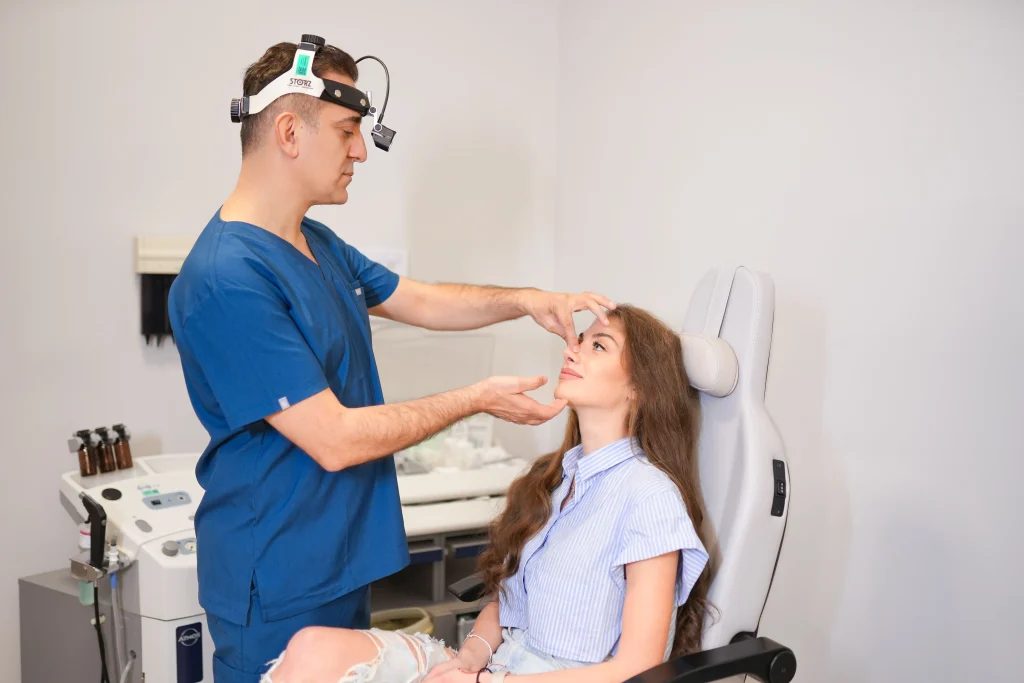
Without adequate assessment, important health information may be overlooked, unrealistic expectations may remain unchallenged, and patients may agree to procedures without fully understanding their implications. Even minimally invasive treatments can produce complications. Therefore, clinical evaluation should be proportionate to the proposed intervention and its potential risks.
Supporting Patient Safety and Clinical Decision-Making
One of the primary goals of patient assessment in aesthetic medicine is to identify factors that could increase the likelihood of adverse outcomes. These may include relevant medical conditions, previous treatment reactions, active infections, medication use, or other circumstances that influence procedural safety.
Assessment also helps distinguish between a patient’s requested procedure and their underlying concern. For example, an individual asking for a specific injectable product may actually be concerned about changes in skin texture or facial volume. A professional consultation should explore the concern before deciding whether the requested intervention is appropriate.
The General Medical Council’s guidance on cosmetic interventions emphasizes consideration of medical history, desired outcomes, psychological needs, and the patient’s ability to make a voluntary decision.
Building Trust Through Clear Communication
Effective communication during patient assessment in aesthetic medicine encourages individuals to share concerns they might otherwise hesitate to mention. A respectful consultation allows them to explain their priorities, ask questions, and discuss previous experiences without feeling judged or pressured. This is particularly important when appearance-related concerns are emotionally significant.
Practitioners should use understandable language, avoid unnecessary technical terminology, and check whether the patient understands the information provided. Patients may need additional support because of language barriers, disabilities, health literacy differences, or communication preferences. These needs should be addressed without compromising the quality of the clinical assessment.
Determining Whether Treatment Is Appropriate
Not every aesthetic concern requires a procedure. In some situations, the safest recommendation may involve postponing treatment, seeking further medical advice, considering a different intervention, or deciding not to proceed. This reflects the professional responsibility to prioritize patient welfare rather than treatment volume.
A patient’s preferences remain central to decision-making, but patient choice does not obligate a clinician to provide a procedure that is unsuitable or unlikely to deliver meaningful benefit. When treatment is declined, the reasoning should be communicated respectfully, and appropriate alternatives or referrals may be discussed.
2. Medical History Assessment Before Aesthetic Treatment
A comprehensive medical history is a central component of patient assessment in aesthetic medicine, helping practitioners identify factors that may influence treatment safety and suitability. It helps identify conditions, medications, allergies, and previous experiences that may affect procedural suitability. The depth of assessment should reflect the nature of the intervention and the patient’s individual circumstances.

Medical history collection should be treated as an ongoing clinical responsibility rather than a form completed once and never reviewed. Relevant information may change between consultations, particularly when patients begin new medications, develop medical conditions, or undergo additional procedures.
Reviewing Existing Medical Conditions
Practitioners should ask about relevant current and previous medical conditions, including disorders that may influence healing, infection risk, bleeding, immune responses, or tolerance of the proposed treatment. The significance of a condition depends on the specific procedure and should not be assumed to apply equally to all aesthetic interventions.
For example, the assessment considerations for a superficial skin treatment differ from those for injectable procedures or surgery. A condition that requires additional precautions for one intervention may not automatically prevent another. Clinical decisions should be based on appropriate evidence and product-specific guidance.
Identifying Allergies and Medication-Related Risks
Medication review is essential because prescription drugs, nonprescription medicines, and supplements may affect treatment planning. Practitioners should document relevant medication use and consider potential interactions, bleeding-related concerns, or other procedure-specific precautions. Patients should not be instructed to stop prescribed medication without appropriate medical advice.
Allergy assessment should distinguish between documented allergies, previous adverse reactions, and general treatment concerns. Where relevant, practitioners should review ingredients in proposed products, including local anesthetics or other components that may cause hypersensitivity in susceptible individuals.
For injectable fillers, the U.S. Food and Drug Administration’s guidance on dermal fillers identifies important considerations involving allergies, active skin inflammation, bleeding disorders, and serious procedure-related complications.
Reviewing Previous Aesthetic Procedures
Previous cosmetic treatments may influence current assessment, particularly when products remain in the tissues or earlier procedures have changed facial anatomy. Patients should be encouraged to disclose past injections, surgical interventions, energy-based treatments, and any complications they experienced.
Where possible, useful details include the type of procedure, approximate date, treatment area, product identity, and relevant clinical records. Incomplete information may create uncertainty, particularly when a patient cannot identify a previously administered filler or has experienced unexplained changes after treatment.
Recognizing Reasons to Delay or Reconsider Treatment
Some clinical findings may justify postponement or further evaluation. Examples include an active infection near a proposed treatment area, an unresolved medical concern, or insufficient information about a previous adverse reaction. Other factors may require specialist consultation rather than immediate exclusion.
The purpose of identifying concerns is not to create a universal list of prohibited treatments. Instead, practitioners should determine whether additional information, medical management, or a different treatment approach is necessary before proceeding.
For professionals seeking a broader understanding of clinical assessment and aesthetic treatment principles, relevant aesthetic medicine courses may provide structured educational opportunities. Course participation, however, does not replace professional licensing or supervised clinical competency.
3. Facial Assessment and Managing Patient Expectations
Patient assessment in aesthetic medicine should connect clinical findings with the patient’s specific concerns and desired outcomes. In facial aesthetics, this involves evaluating visible anatomy, facial movement, tissue characteristics, and existing asymmetries while recognizing that appearance varies naturally between individuals.
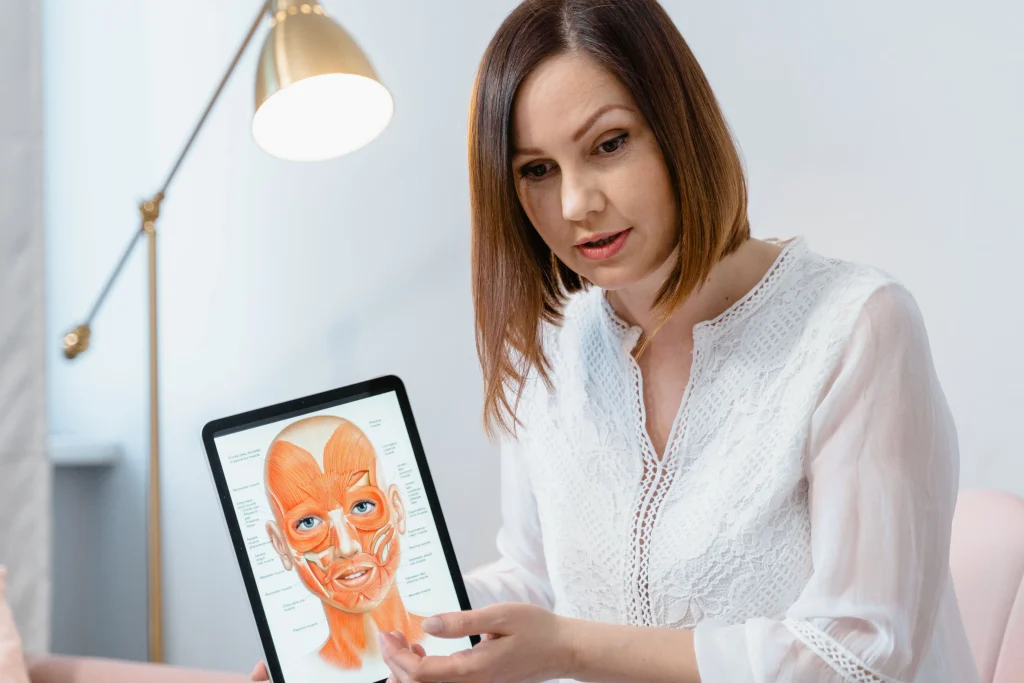
The objective is not to apply a single aesthetic ideal to every patient. A professional assessment considers individual features, functional anatomy, personal preferences, and the realistic capabilities of available interventions.
Evaluating Facial Anatomy and Natural Variation
Facial assessment may involve observing proportions, skin quality, expression patterns, soft-tissue characteristics, and the relationship between different anatomical regions. Relevant findings depend on the treatment being considered. For example, dynamic facial lines require a different evaluation from concerns primarily associated with volume changes.
Natural asymmetry is common and should be discussed when it may affect treatment expectations. Practitioners should also recognize that photographs, lighting, facial expressions, and camera angles can influence how patients perceive their appearance.
Clinical photographs, when appropriate, should be obtained with suitable permission and managed according to privacy and professional requirements. They may support documentation and communication, but they should not be used to promise an identical future result.
Understanding the Patient’s Desired Outcome
During patient assessment in aesthetic medicine, individuals may describe their goals using broad expressions such as looking refreshed, appearing younger, or achieving a more balanced appearance. These descriptions require clarification because they can mean different things to different people. Open-ended questions can help identify the specific concern and the outcome the patient hopes to achieve.
Practitioners should also explore why the patient is considering treatment at this particular time. Personal motivation, outside pressure, significant life events, or expectations influenced by social media may affect decision-making. These discussions should remain respectful and avoid unsupported assumptions about the patient’s psychological state.
Explaining Realistic Results and Limitations
Expectation management is essential because aesthetic outcomes are influenced by anatomy, treatment limitations, healing responses, and individual variation. A procedure may improve a particular concern without producing the exact appearance shown in a reference photograph or digital simulation.
Patients should understand that some treatments are temporary, additional procedures may carry further risks and costs, and complications can occur even when appropriate precautions are taken. The possibility of choosing no treatment should also remain part of a balanced discussion.
The NHS guidance on preparing for cosmetic procedures encourages patients to discuss their motivations, research treatment risks, understand costs, and take time before making a decision.
Recognizing When Further Assessment Is Needed
Some consultations reveal concerns that require more time, additional information, or referral to another qualified professional. Examples include persistent uncertainty about treatment goals, expectations that cannot reasonably be met, or indications that the decision may be influenced by significant external pressure.
These findings do not automatically establish a mental health diagnosis. Practitioners should remain within their professional competence, communicate sensitively, and consider appropriate referral when psychological or other specialist assessment may benefit the patient.
Further information about aesthetic treatment principles and professional education can be explored through the educational blog. The next part of this guide examines psychological screening, informed consent, documentation, and practical approaches to safer aesthetic consultations.
1. Why is patient assessment important in aesthetic medicine?
Patient assessment in aesthetic medicine helps healthcare professionals determine whether a cosmetic procedure is appropriate, safe, and consistent with the patient’s needs. A comprehensive assessment considers medical history, previous treatments, facial anatomy, and treatment expectations. It also identifies potential contraindications and circumstances requiring further evaluation. Proper assessment supports individualized clinical decisions, informed consent, and patient safety rather than focusing exclusively on the desired cosmetic outcome.
2. What should be included in an aesthetic patient consultation?
An aesthetic patient consultation should include a review of relevant medical conditions, medications, allergies, previous cosmetic procedures, and the patient’s treatment goals. Practitioners should also evaluate appropriate anatomical features, explain available options, and discuss expected outcomes and limitations. The consultation should provide opportunities for questions and allow sufficient time for decision-making. Documentation should follow applicable professional standards and privacy requirements.
3. What is informed consent in aesthetic medicine?
Informed consent in aesthetic medicine is the process through which a patient voluntarily agrees to a proposed procedure after receiving and understanding relevant information. This includes the nature and purpose of treatment, expected benefits, material risks, reasonable alternatives, and the option of declining treatment. Consent must be given by someone with the capacity to make the decision. A signed form supports documentation but does not replace meaningful communication.
4. How is psychological assessment used before aesthetic procedures?
Psychological assessment helps practitioners understand a patient’s motivations, expectations, and potential vulnerabilities before cosmetic treatment. It may identify concerns such as unrealistic expectations, significant external pressure, or possible body dysmorphic disorder. Screening does not automatically establish a psychiatric diagnosis. When concerns fall outside the practitioner’s expertise, further evaluation or referral to an appropriately qualified mental health professional may be appropriate.
5. What medical conditions may affect eligibility for aesthetic treatment?
Treatment suitability depends on the specific procedure and individual circumstances. Active infections, certain bleeding disorders, relevant allergies, immune-related conditions, and other medical issues may influence procedural risks. Medications and previous adverse reactions can also affect treatment planning. No single contraindication list applies to every aesthetic intervention. Healthcare professionals should assess relevant risks using clinical evidence, product information, and applicable professional guidance.
6. Can a patient withdraw consent after signing an aesthetic treatment form?
Yes. A patient with decision-making capacity can generally withdraw consent before a procedure, even after signing a consent form. Consent is an ongoing process rather than a one-time administrative requirement. Healthcare professionals should respect the patient’s decision and explain any relevant consequences. If a procedure has already begun, the practical and immediate safety implications of stopping must be considered in accordance with applicable laws and professional standards.
7. What is the difference between patient assessment and informed consent?
Patient assessment and informed consent are closely connected but serve different purposes. Patient assessment evaluates medical suitability, individual concerns, risk factors, and treatment goals. Informed consent focuses on ensuring the patient understands the proposed intervention and makes a voluntary decision. Assessment informs the consent discussion, while consent confirms the patient’s decision. Both processes are essential components of ethical and patient-centered aesthetic care.
8. How should informed consent be documented in aesthetic medicine?
Informed consent documentation should reflect the discussion of the proposed procedure, material risks, expected benefits, reasonable alternatives, and the patient’s decision. Depending on the treatment and applicable requirements, records may include consent forms, consultation notes, relevant clinical photographs, and documented questions. Documentation should be accurate, securely stored, and consistent with privacy regulations. A completed form alone does not demonstrate that a patient fully understood the information provided.
4. Psychological Screening and Patient Suitability in Aesthetic Medicine
Psychological considerations are an important part of patient assessment in aesthetic medicine. People seek cosmetic procedures for many reasons, including personal preferences, changes in appearance, or a desire to address specific concerns. These motivations should be explored respectfully without assuming that an interest in aesthetic treatment indicates a psychological disorder.
The purpose of psychological screening is to identify concerns that may influence decision-making, treatment expectations, or patient wellbeing. It also helps practitioners recognize situations in which additional discussion, postponement, or referral may be more appropriate than immediate treatment.
Understanding Patient Motivation and External Pressure
Patients should have an opportunity to explain why they want a procedure and what they hope will change afterward. Open-ended questions can help distinguish personal preferences from expectations influenced by partners, family members, social media, or other external pressures.
A patient who feels pressured to undergo treatment may not be making a fully voluntary decision. Practitioners should provide a private, supportive environment where patients can express uncertainty or decline a procedure without embarrassment.
Recognizing Unrealistic Expectations
Some patients may expect aesthetic procedures to produce dramatic or permanent changes that the proposed intervention cannot realistically achieve. Others may believe that altering a particular feature will resolve broader personal, social, or emotional difficulties.
These expectations require sensitive discussion. Practitioners should explain achievable outcomes, treatment limitations, possible complications, and the option of not proceeding. If a meaningful gap remains between the patient’s expectations and likely results, postponing or declining treatment may be appropriate.
Body Dysmorphic Disorder and Referral Considerations
Body dysmorphic disorder, or BDD, is a mental health condition involving significant distress or impairment associated with perceived appearance flaws. Its identification requires appropriate clinical assessment and should not be based solely on a patient’s interest in cosmetic treatment.
Healthcare professionals should recognize possible warning signs, remain within their professional competence, and consider referral to a suitably qualified mental health professional when appropriate. Screening tools may support assessment but do not independently establish a diagnosis.
The NICE guidance on obsessive-compulsive disorder and body dysmorphic disorder provides an evidence-based reference for the recognition and management of BDD.
5. Informed Consent in Aesthetic Medicine: Essential Principles
Informed consent in aesthetic medicine is an ongoing process of communication and voluntary decision-making. It requires more than providing information or obtaining a signature. Patients must receive relevant explanations, have opportunities to ask questions, and be able to make decisions consistent with their own preferences and circumstances.
Consent requirements vary according to the jurisdiction, the procedure, and the patient’s circumstances. Healthcare professionals must follow applicable laws, regulatory guidance, and professional standards.
Explain the Proposed Procedure and Its Purpose
Patients should understand what intervention is being proposed, why it is being considered, and what it is intended to achieve. Explanations should be proportionate to the complexity and risks of the procedure, using language that is understandable to the individual patient.
Practitioners should distinguish expected benefits from possible outcomes and avoid guaranteeing a particular cosmetic result. Patients should also understand when a treatment is being proposed outside its specifically approved indications, where applicable.
Discuss Material Risks and Reasonable Alternatives
A meaningful consent discussion includes material risks, possible complications, expected recovery considerations, and reasonable alternatives. Material risks are not determined solely by statistical frequency; a less common complication may be particularly important to an individual patient.
Alternatives may include another treatment, delaying the procedure, or choosing no intervention. Financial considerations and the possibility of additional treatment may also be relevant to an informed decision.
The General Medical Council’s guidance on decision making and consent emphasizes dialogue about benefits, harms, uncertainties, and options that matter to the patient.
Confirm Understanding and Voluntary Decision-Making
Practitioners should encourage questions and check whether the patient understands the information provided. Simply asking whether everything is clear may not reveal confusion, particularly when unfamiliar medical terminology has been used.
Communication support may be needed for patients with language barriers, disabilities, or other accessibility requirements. Consent should be obtained without coercion or inappropriate pressure, and patients should have sufficient time to consider their options.
Respect the Right to Decline or Withdraw Consent
Patients with decision-making capacity generally have the right to refuse a proposed intervention or withdraw consent. Signing a consent form does not eliminate that right. The practical implications of stopping a procedure that has already begun must be managed in accordance with immediate safety needs and applicable law.
Consent should also be revisited when the proposed intervention changes or when new information materially affects the patient’s decision. This helps ensure that agreement remains informed and relevant to the treatment actually being provided.
6. Documentation, Privacy, and Follow-Up in Aesthetic Practice
Accurate documentation is an essential component of patient assessment in aesthetic medicine, supporting continuity of care, professional accountability, and patient safety. Clinical records should reflect relevant assessment findings, the consent discussion, treatment decisions, and information necessary for appropriate follow-up.
Documentation requirements differ between jurisdictions and professional settings. Records should be created and stored according to applicable healthcare, privacy, and data-protection requirements.
Documenting the Consultation and Consent Process
Clinical notes should capture relevant patient concerns, medical findings, proposed options, material risks discussed, and the patient’s decision. Where appropriate, records may also include questions raised during the consultation and explanations provided by the practitioner.
Written consent forms can support this process, but they should not replace a documented conversation. A form alone cannot establish that a patient understood the proposed treatment or had a genuine opportunity to consider alternatives.
Clinical Photography and Patient Confidentiality
Clinical photographs may help document baseline appearance, support assessment, and evaluate outcomes. However, patients should understand why images are being collected, how they will be stored, and whether any additional use is proposed.
Permission to obtain photographs for clinical records should not automatically be treated as permission to publish them in advertising, teaching materials, or social media. Any additional use must comply with applicable consent, confidentiality, and data-protection requirements.
Follow-Up and Recognition of Complications
Follow-up planning is an important extension of patient assessment in aesthetic medicine, with arrangements tailored to the proposed treatment and individual circumstances. Patients should receive clear information about expected recovery, symptoms that warrant professional assessment, and how to seek help if concerns develop.
Practitioners should have suitable processes for responding to adverse events and arranging urgent medical care when necessary. Aesthetic procedures should not be considered complete from a safety perspective simply because the patient has left the clinic.
7. Common Mistakes and Best Practices in Aesthetic Patient Assessment
Even experienced practitioners can encounter difficulties during patient assessment in aesthetic medicine when consultations become rushed, documentation is incomplete, or patient expectations are not explored adequately. Recognizing these problems supports better communication and more consistent clinical standards.
Common Mistake: Treating Consultation as a Sales Process
A consultation should not be designed primarily to persuade a patient to purchase treatment. Commercial pressure can undermine voluntary decision-making and may discourage patients from expressing concerns or declining a procedure.
Best practice involves separating clinical suitability from sales objectives. Patients should receive balanced information, realistic expectations, and the freedom to choose no treatment.
Common Mistake: Relying Only on a Signed Consent Form
A completed form is not a substitute for explaining material risks, alternatives, and treatment limitations. Patients may sign documents without fully understanding their contents, particularly when information is presented hurriedly or in unfamiliar language.
Best practice is to make consent a meaningful conversation, document relevant discussions, and confirm understanding before proceeding.
Common Mistake: Overlooking Changes Between Appointments
Medical history, medication use, treatment goals, and personal circumstances can change over time. Relying entirely on information collected during an earlier visit may result in an incomplete assessment.
Best practice includes reviewing relevant information when a patient returns, particularly before a new procedure or when circumstances have changed.
Common Mistake: Promising Perfect or Permanent Results
Aesthetic outcomes are influenced by individual anatomy, healing responses, treatment limitations, and other variables. Promising flawless symmetry, permanent improvement, or identical results for every patient creates unrealistic expectations.
Best practice involves explaining likely benefits, uncertainties, limitations, and the possibility that the patient may not achieve the exact appearance they envision.
Common Mistake: Failing to Recognize When Referral Is Appropriate
Some patient concerns require expertise beyond the practitioner’s professional scope. These may include complex medical histories, significant psychological distress, or clinical findings that warrant specialist evaluation.
Best practice is to recognize professional limitations and arrange appropriate referral rather than proceeding without sufficient information or competence.
Conclusion: Putting Patient Safety and Informed Consent First
Patient assessment in aesthetic medicine is essential to responsible clinical practice. A thorough consultation helps identify relevant medical risks, clarify treatment goals, evaluate individual suitability, and support decisions that reflect the patient’s interests.
Informed consent strengthens this process by ensuring that patients receive meaningful information about benefits, risks, alternatives, and limitations before agreeing to treatment. Psychological considerations, accurate documentation, confidentiality, and appropriate follow-up are equally important components of patient-centered care.
For healthcare professionals, effective assessment requires clinical knowledge, communication skills, ethical judgment, and awareness of applicable professional standards. For patients, understanding these principles can help support informed choices and realistic expectations.
Continue Your Aesthetic Medicine Education: Explore our aesthetic medicine courses to learn more about available educational opportunities, visit our blog for related learning resources, or contact us for information about course content and enrollment requirements.